HealthcareFuturistSpeakers

Scott Steinberg · Consultant, Analyst and Business Strategist

Healthcare Futurist Keynote Speaker

Audiences have heard the disruption talk and are tired of it. What they need is a clear-eyed read on which changes are actually arriving, on what timeline, and what to do about them on Monday. Scott Steinberg delivers that: a healthcare futurist keynote speaker, medical consultant and pharmaceutical trends analyst who has advised more than 3,000 organizations and appears regularly on ABC, CBS, CNN and NBC.

Keynote speaker talks, executive briefings, breakouts, masterclasses and workshops on AI in patient care delivery, digital health, workforce and staffing change, patient expectations, strategic planning under uncertainty and more.

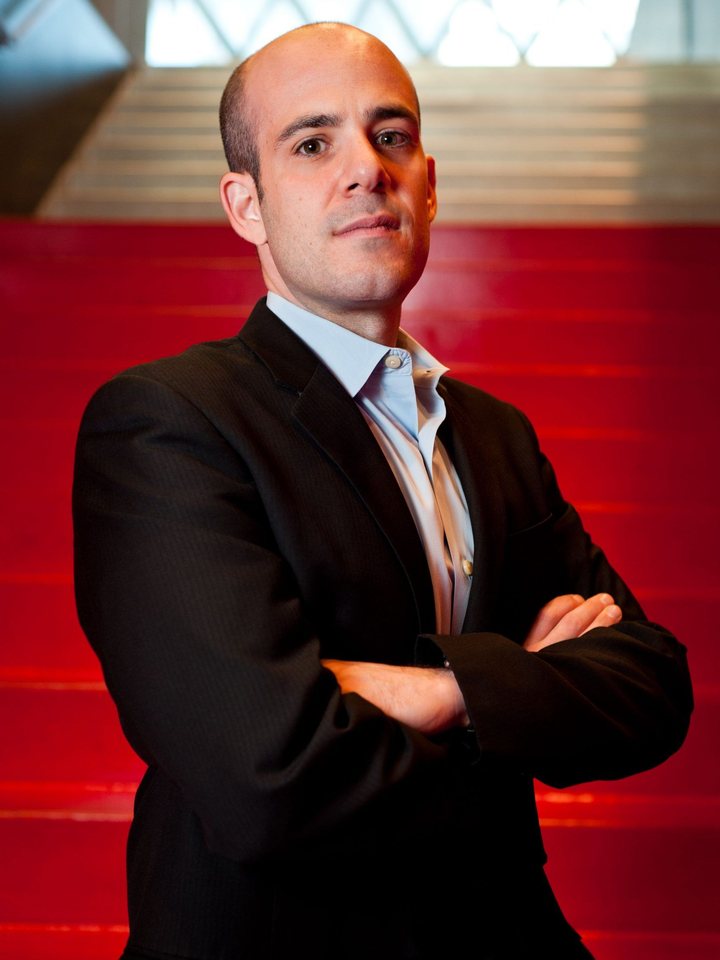
Scott Steinberg, healthcare futurist and keynote speaker
Scott Steinberg — healthcare futurist, analyst and keynote speaker
3,000+
Businesses, startups, governments and Fortune 500 companies advised
25 years
Management, corporate governance and strategic consulting experience
30+
Books published on technology, marketing, business and innovation
5,000+
Published articles as seen in USA Today, CNN, ABC, NBC, TODAY Show

Keynote speaker topics

Every talk is built for the specific audience, whether that is a health system board, a clinical leadership group, a payer conference or a med-tech sales meeting. The topics below are starting points, not a fixed catalogue.

Artificial intelligence in care delivery

Every health organisation is being pitched AI and most cannot tell which offers are real. The useful talk separates what is deployed and working from what is a demonstration with a roadmap attached.

Sessions cover where AI is genuinely changing clinical and administrative work now, what adoption actually requires, and how to evaluate what a vendor is selling.

Digital health and virtual care

Virtual care settled into something more complicated than either its advocates or its critics predicted, and the interesting question now is where it belongs in a care model rather than whether it works.

Talks cover hybrid care design, remote monitoring, digital front doors and what patients have actually come to expect from access.

Healthcare workforce and staffing change

Staffing pressure is the constraint most health organisations actually plan around, and technology conversations that ignore it do not survive contact with the floor.

Sessions address how roles are shifting, what automation does and does not relieve, and how organisations are retaining people in a market that keeps moving.

Patient and consumer expectations

Patients now compare healthcare to every other service they use, and their expectations were set by industries with entirely different constraints.

Talks address what consumer behaviour is doing to healthcare demand, how expectations around access, transparency and communication have shifted, and what that means operationally.

Health data and interoperability

Data has been the promised unlock in healthcare for two decades, and the gap between what is technically possible and what organisations can actually do with their data remains the story.

Sessions cover interoperability in practice, what data actually enables for care and operations, and the privacy expectations attached to it.

Med-tech and device innovation

Devices are becoming software products with hardware attached, which changes development cycles, business models and the relationship with the people using them.

Talks address where device innovation is heading, connected and monitoring technology, and how med-tech commercial models are shifting.

Payer and provider model change

The arrangements between who delivers care and who pays for it keep being redrawn, and organisations have to plan against a model that has not settled.

Sessions cover how these relationships are evolving, where risk is moving, and what new entrants have and have not managed to change.

Strategic planning under uncertainty

The practical ask behind most futurist bookings is not prediction. It is a method for making decisions when the horizon is genuinely unclear.

Workshop-format sessions give leadership teams a way to identify what is actually uncertain, what is already determined, and where to place bets accordingly.

Formats

Content is developed against your program theme and audience after a planning call, not pulled from a stock deck.

Conference keynote

A main-stage session built around your program theme, typically 45 to 60 minutes with questions.

Executive briefing

A closed session for boards and leadership teams, structured for discussion rather than presentation.

Workshop

A working session where the group applies the material to their own strategy and comes out with decisions.

Moderation and chats

Panel moderation, fireside chat interviews and hosted segments where the room needs a guide rather than a speaker.

About Scott Steinberg

Scott Steinberg is a futurist keynote speaker, strategic consultant and business trends expert with over 25 years of experience advising more than 3,000 businesses and brands, from startups to government agencies and Fortune 500 firms.

He is the author of over 30 books and has published more than five thousand articles covering technology, marketing, leadership, innovation, advertising and digital transformation. He appears regularly on ABC, CBS, CNN and NBC.

He has led seminars, keynotes, thought leadership sessions and training programs for organizations including Wells Fargo, the PGA Tour, Century 21, Ford, Dell and Procter & Gamble, and has been recognized by the International Association for Scholastic Excellence, Fortune and the 21st Century Icon Awards.

Common questions from corporate meeting planners

What kinds of healthcare audiences do you speak to?

Health system leadership and boards, clinical leadership groups, payer organisations, med-tech and pharma companies, healthcare associations and conference audiences. Sessions get built for the specific room, so a board briefing and a conference keynote on the same topic look quite different.

Is the content clinical?

No, and it should not be. The material addresses technology, workforce, business model and consumer behaviour rather than clinical practice or medical decision-making. Clinical audiences generally want an outside perspective on the forces shaping their environment, not someone explaining their own field back to them.

How is a talk developed for a specific event?

Through a planning call covering your programme theme, audience composition, what has been said at previous events and what you want people doing differently afterwards. Content is then built against that. Nothing comes from a stock deck.

What formats are available?

Conference keynotes, closed executive briefings for boards and leadership teams, working sessions and workshops, and moderation or fireside chat formats. Virtual and hybrid delivery are available where travel or format makes that the better fit.

How far ahead should we enquire?

Earlier is easier, particularly for dates in conference season, but it is always worth asking. Send the date, location, audience and theme and I will come back on availability and fit quickly.

Check availability

Share your date, location, audience and program theme and I will come back on availability and fit. Planning calls before booking are welcome and encouraged.

Telephone
Availability
Engagements accepted nationwide and internationally

Helpful details when enquiring

Event date and location, audience size and composition, session length, programme theme, and whether you need a keynote, a workshop or something built around a panel.